Building the hire fleet
Each machine you add is a long-term asset, generally depreciated rather than expensed. We keep a fixed asset register that matches your fleet, so depreciation is claimed on every item you hold.
Industrial services accountants in Parnell, Auckland
Hire fleets, workshop equipment and service vehicles tie up a lot of capital. We look after the accounts and tax for your business, and help you plan equipment purchases, financing and cash flow, from the day to day through to growth, restructuring and succession.
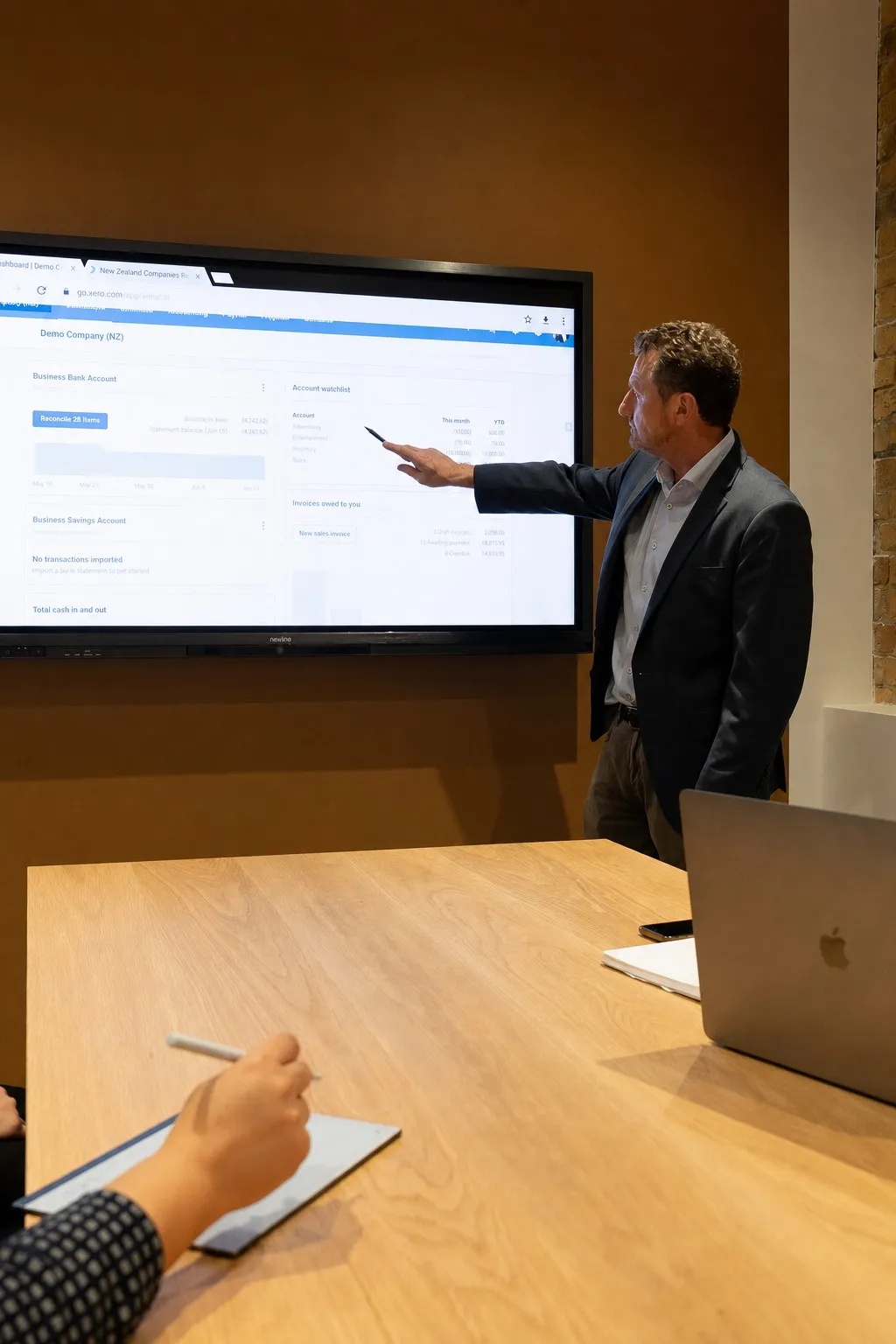
Who we work with
We work mostly with companies and their owners. If you only need a personal tax return filed once a year, we're probably not the right fit.
What comes up
Each machine you add is a long-term asset, generally depreciated rather than expensed. We keep a fixed asset register that matches your fleet, so depreciation is claimed on every item you hold.
Investment Boost lets businesses claim 20% of the cost of new assets first available for use on or after 22 May 2025, but not second-hand assets sourced from New Zealand. We check what qualifies.
How you finance a machine changes who claims the depreciation. Under hire purchase or a finance lease, you generally claim it; under an operating lease, the owner does. We look before you sign.
Major work on a machine can be a deductible repair or a capital cost that may be depreciated instead, depending on the nature and extent of the work. We look at the larger jobs.
Buying on hire purchase, a GST-registered business can generally claim the GST on the cash price in the period it enters into the agreement, not over the instalments. We build that into your cash flow.
Sell a machine for more than its adjusted tax value and the depreciation claimed can come back as income; sell for less and the loss is generally deductible. We plan replacements around it.
In an industrial hire, servicing or maintenance business, much of the money is tied up in equipment. What you buy, how you pay for it, how hard it works and when you replace it shape your profit, your tax and your cash flow for years.
We understand the importance of equipment investment, depreciation, asset financing, operating costs and cash flow, so we look at them together through the year, not one at a time at year end.
Our advice covers the day-to-day financial management of the business through to growth, restructuring and succession. A new depot, a new line of service, a partner coming in, or a plan to sell or hand the business on each changes the numbers, and often the structure.
Selling the business or its equipment can bring depreciation claimed earlier back as taxable income, so the tax on a sale is worth working out before the price is agreed. See company restructures, trusts and succession and buying or selling a business.
We work with industrial services businesses from our Parnell office, and by phone, email and Microsoft Teams if that suits you better. The best time to talk is before a big equipment purchase or a change of structure, while there is still room to plan.
Your first step is a free call.
Services that apply
FAQs
It depends on your cash flow, how long you'll keep the equipment and your plans for the business. The tax follows the arrangement. You can claim depreciation on assets you own, buy under a hire purchase agreement or lease under a finance lease, while under an operating lease the owner of the asset claims it. We look at the numbers with you before you sign.
It can apply to new assets, and assets new to New Zealand, first available for use on or after 22 May 2025. You claim 20% of the cost as a deduction, then depreciation as usual on the remaining 80%. There is no limit on the value of the investment, but second-hand assets sourced from New Zealand don't qualify. We check each purchase.
It depends on the work. Inland Revenue's guidance first identifies the asset being worked on, then asks whether the work reconstructs, replaces or renews all or substantially all of it, or goes beyond repair and changes its character. If so, the cost is capital and not deductible, but it may be depreciated. Work that is part of a larger capital project is generally capital too.
If you sell a depreciated asset for more than its adjusted tax value, the gain is taxable up to the depreciation previously claimed. If you sell it for less, the loss is generally deductible in the year of sale. Where an asset was also used privately, the gain or loss is split between business and private use.
We'll recommend the right services and give you a clear quote after our first call.